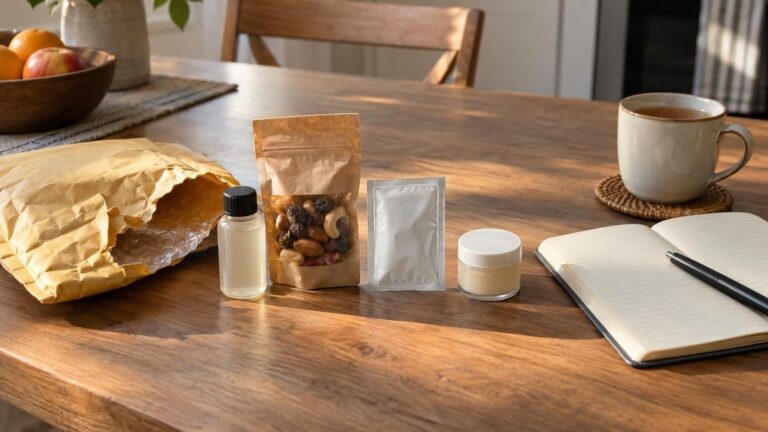
Trying products for free is a simple way to check out something unfamiliar before spending your own money.
Companies ship products to regular people and hope to hear an honest opinion in return.
Your shopping budget still has to come from somewhere, but this approach can stretch it and reveal which purchases are worthwhile.
Below you will find how it works, where to look for offers and how to protect yourself.
Discover the Main Ways to Get Free Products
There is one reason companies give products away: they want genuine feedback and fresh customers.
These are the formats you will meet most often:
Free samples: small sizes to try before you buy
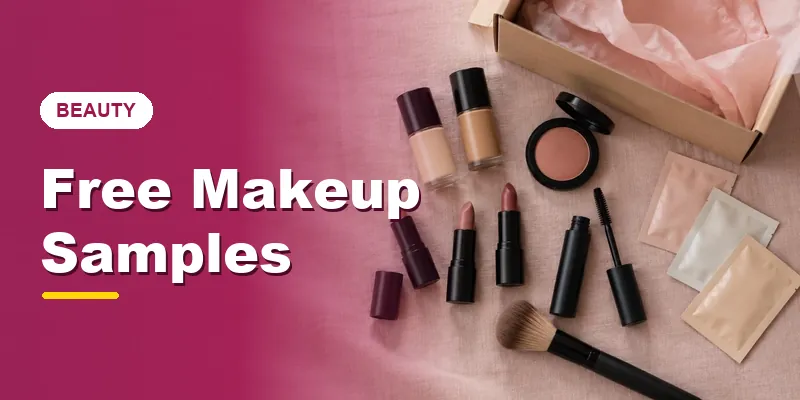
Of all the freebies, a sample is the simplest to get, and it is usually what a newcomer first finds in the mailbox.
You get a small portion of the real product, and it is yours to keep.
Food, beauty and baby brands hand out the most, mainly through their own sites and shops.
Product tests: use it at home and share what you think
Product tests work through a platform that picks members and mails every one of them an item, often full size.
Once you have used it for a few days, a review is due before the campaign’s deadline.
The rules decide whether you keep the item, so read the terms for each campaign prior to applying.
Loyalty rewards: points, perks and birthday gifts
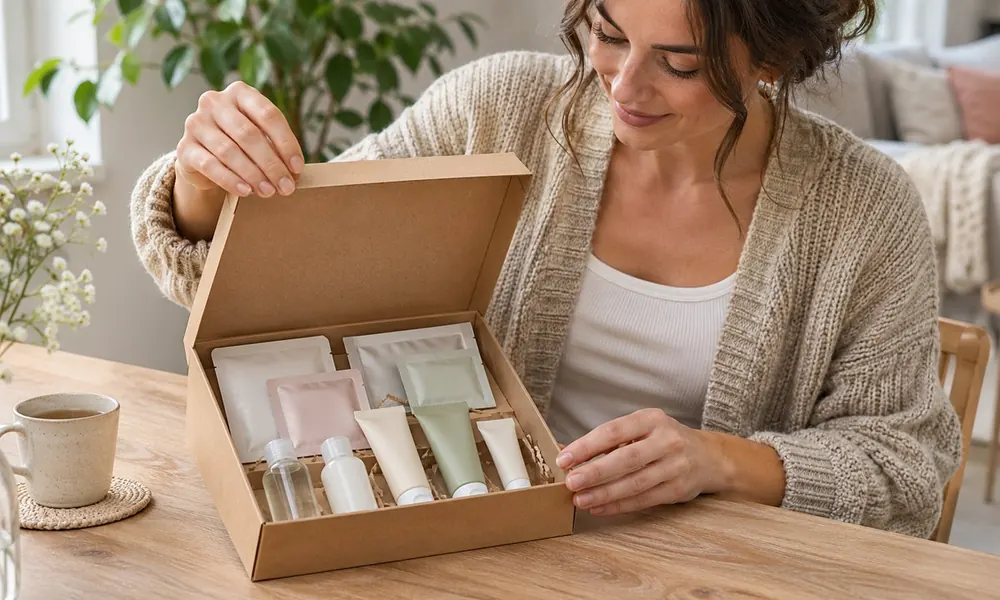
Joining a store program is free. Take Sephora (Beauty Insider) and Ulta Beauty: members build up points when they shop and are given a birthday gift.
Giveaways and free trials: read the rules first
A giveaway is a prize draw, and a win is never a sure thing.
With a free trial you get access for a limited period, and then it ends or switches to a paid plan.
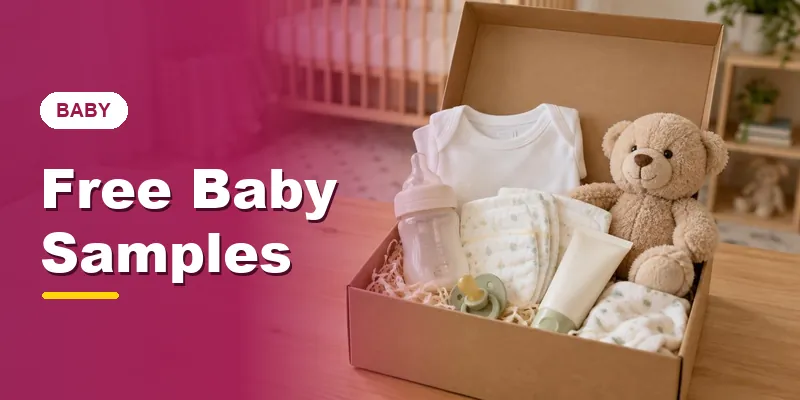
Understand How Free Product Testing Works
To start with free product testing, register on a testing platform such as Home Tester Club or Influenster. It costs nothing to join.
The profile asks about things like interests, pets, skin type and household.
When a campaign fits your profile, you can apply, or an invitation may land in your inbox.
If you are chosen, the product is mailed to your home.
After that you post your review. The product is how the brand pays for it.
💡 A spot is not secured just by applying, but a full profile and reviews sent on time make selection more likely.
Spotting a Fake Free Offer: Warning Signs
Most programs are honest, yet scammers are fond of the word “free”. If an offer feels strange, stop and hold it up against these warning signs!
Be wary if:
- Money is demanded up front: a “small shipping fee” makes the product not free, and the card you hand over could be billed again later.
- The reward is too generous: offering a new phone or TV to everyone who signs up is textbook bait.
- Private data is requested: a sample never calls for your passwords, bank account details or Social Security number.
Do You Need a Credit Card to Get Free Products?
They do not. Honest testing platforms never ask for payment information. Free trials are another story: since most ask for a card first, the Federal Trade Commission gives the reason: a charge is probable once the cancellation date has passed. According to the agency, shipping costs or fees also mean the offer is not truly free.
Know the end date and the cancellation method before you start a trial. When cancelling is made difficult, the FTC advises phoning your credit card company so the payments can be stopped.
See a charge you never approved? Get in touch with your card company at once, advises the Consumer Financial Protection Bureau, and send a billing error notice in writing within 60 calendar days of the date the charge appeared on your statement.
- Put a reminder on your phone two days before any trial ends.
- Check your card and bank statements each month for small repeating charges.
- Keep the email confirming the date you cancelled.
Smart Habits: Getting More Out of Free Products
A little organization can turn an occasional sample into a regular stream, but it demands time, honesty and caution with money.
A separate email
Set up a separate email address for sign-ups only, so that offers and confirmations sit in one place and your personal inbox stays clean.
Honest reviews
Members who write clear, sincere reviews get noticed by the platforms, and they are often asked to return.
Your privacy
Provide only what the profile genuinely needs, and check the privacy policy to find out who gets your data.
Credit card rewards
Another path to “free” products is a rewards credit card, through cash back, points and welcome bonuses.
They only make sense when you settle the full statement balance each month, as the interest on any balance you carry is bigger than the rewards. Check the annual fee as well. When you are about to apply, credit card tools from the CFPB help you weigh what different cards cost.
Bank promotions call for the same care:
- Account bonuses: to earn the reward for opening a checking or savings account, you typically need direct deposits or a minimum balance.
- Monthly fees: within a few months, a maintenance charge can erase the bonus.
- Purchase protection: some cards insure what you buy with them or lengthen the warranty, so go through your card benefits.
Pharmacy and health savings
Coupons and samples for wellness products are common in drugstore loyalty programs. If you have a health savings account (HSA), IRS Publication 969 treats spending on menstrual care products as medical care, so the account can cover them.
Preventive services may also be covered at no cost by your health insurance, so read your benefits before you pay out of pocket.
Frequently Asked Questions
Is free product testing really free?
Yes. No honest testing platform or sample program charges to join. A site that wants money first, even “only for shipping”, is giving you a warning sign.
Do I get to keep the products I test?
That depends on the campaign. In many cases the item is yours, though some tests, chiefly of clothing and devices, require sending it back. The terms tell you which applies.
What should I do if a free trial charged my credit card?
End the subscription and contact your card company right away. You should also send a written billing error notice by mail within 60 days after the charge shows on your statement, to preserve your rights.
Free Product Testing Conclusion
How testing platforms select their members and which types of free offers are most common: with both in mind, you have a clear starting point.
Even so, free products are only a perk and never worth giving up payment details.
To keep an offer free, look at the cancellation rules, the deadlines and the terms.
These habits protect your credit card, bank account and personal data too.
Combine them with a full profile and sincere reviews, and your first box could arrive sooner than expected.
This article offers general information and is not financial advice.